
.
livello elementare
.
ARGOMENTO: FOTOGRAFIA
PERIODO: XX – XXI SECOLO
AREA: FOTO SUB
parole chiave: fotografia
Oggi ho il piacere di presentarvi Claudia Weber-Gebert, una fedele testimonial di SAVE THE OCEAN by OCEANDIVER ed una bravissima fotografa. Claudia è molto attenta alla protezione dell’ambiente marino e collabora con Healthy Seas, un gruppo di subacquei del nord Europa che hanno intrapreso un’iniziativa interessante che potrebbe essere esportata nei nostri mari. Ce la presenterà in questa intervista che ci ha rilasciato.
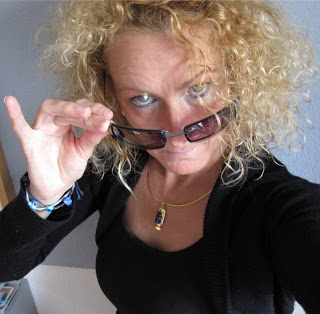 Claudia Weber-Gebert è nata nel 1965 a Trier, in Germania, una antica città tedesca di origini romane (fu per un certo periodo anche capitale dell’Impero di Roma). Dopo aver frequentato la High school e gli studi di Interior Design incominciò a lavorare come freelance nel campo per clienti privati e commerciali in collaborazione con studi di architettura. La passione per la fotografia nacque presto. Claudia aveva solo dieci anni quando ottenne in regalo la sua prima macchina fotografica e, qualche anno dopo, quando iniziò ad immergersi sott’acqua, il passaggio dalla fotografia terrestre a quella subacquea fu naturale. Ci racconta che le sue prime foto non furono esaltanti o almeno non all’altezza delle sue aspettative. Un giorno, a causa della allagamento della custodia, la sua macchina fotografica “semi-professionale” fu irrimediabilmente distrutta. Nella sua intervista, continua: “Ero triste ma, in realtà, fu il giorno più bello della mia carriera di fotografa subacquea“. Decise di rincominciare con una macchina fotografica compatta e lavorando con tenacia ed applicazione le sue foto migliorarono. Da semplice hobby, nel 2010 la fotografia subacquea diventò la sua vera passione.
Claudia ci sottolinea come, da subacquei fotografi, siamo tutti responsabili per la preservazione degli oceani. Possiamo mostrare a tutto il mondo che meraviglia ci offre la vita marina. Quindi Noi siamo tutti ambasciatori degli oceani. Continua … “Così ho deciso di lanciare la mia campagna “SOS – Salvare i nostri mari” … ” … quando ho trovato questo articolo su Healthy Seas in internet, ero sorpresa di ciò che possiamo fare con i rifiuti: Healthy Seas è stata fondata nel 2013 e da allora ha già recuperato più di 50.000 chili di reti da pesca dal mare. In aggiunta al team olandese, composto da subacquei esperti, l’anno scorso se ne è aggiunto uno belga di subacquei entusiasti. “Sulla costa belga e olandese abbiamo magazzini per le reti e, dallo scorso anno, anche i pescatori di Den Oever e Stellendam ci portano le loro vecchie reti per il riciclaggio. In collaborazione con i partner internazionali siamo pienamente impegnati per ottenere lo stesso in altri paesi europei. Le reti da pesca rimangono spesso incastrate nei relitti del Mare del Nord. Sebbene divengano luoghi di riproduzione per molte specie di animali, le reti divengono trappole mortali per cui la vita marina è diventata quasi impossibile lì.” “Il nostro obbiettivo, aggiunge Claudia, è quello di rimuovere il maggior numero di queste reti fantasma. Quindi siamo (Healthy Seas) in grado di riciclare le reti e ricavarne nuovo filato di nylon. Abbiamo dimostrato che si può utilizzare questa spazzatura come materia prima per nuovi prodotti. Dalle reti da pesca riciclati produciamo calze!“
Chi siamo noi?
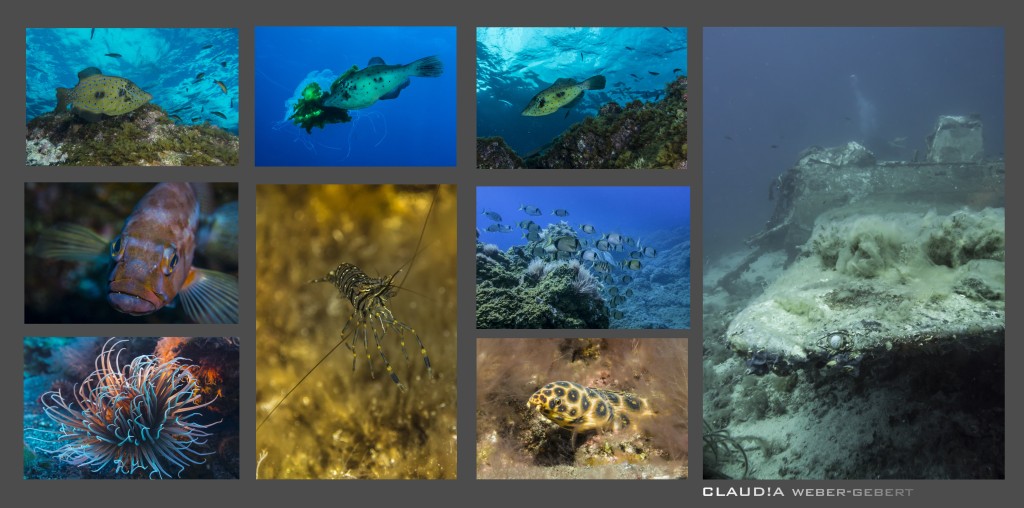
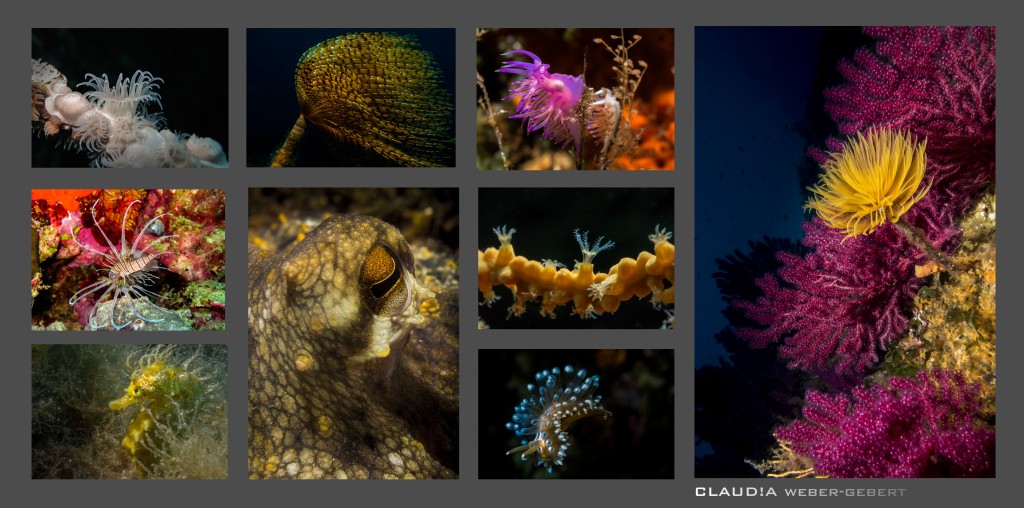
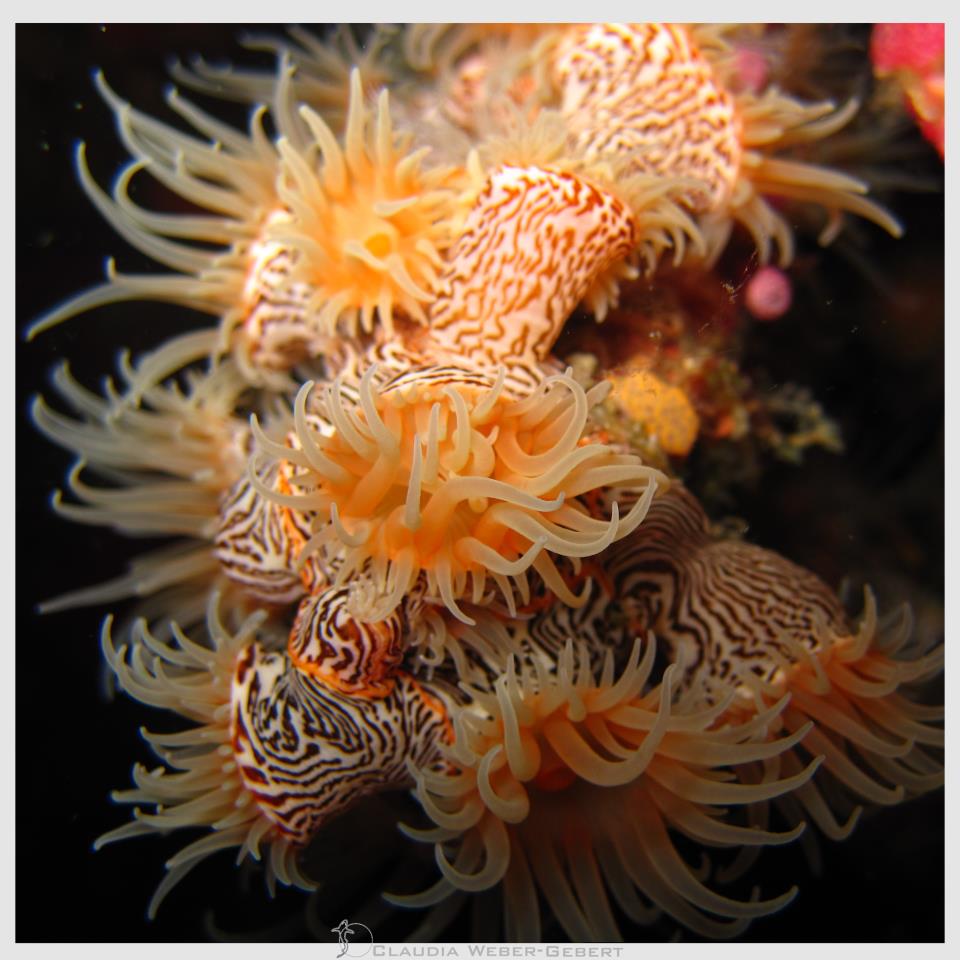
Healthy Seas è composto da un team internazionale, la cui cooperazione ha come oggetto la pulizia del mare del Nord e, nello stesso tempo, costruire un’economia circolare. Questo viene fatto in tre fasi: la raccolta delle reti da pesca, reti di riciclaggio in filato di nylon di alta qualità e, infine, la produzione di nuovi prodotti, come tappeti, costumi da bagno e le nostre famose calze Healthy Seas. I ricavi dalla vendita delle calze (ma non solo) permettono di raccogliere circa 10 tonnellate di reti da pesca perse in mare, che farà risparmiare a migliaia di animali una morte terribile. Ho riportato parte del testo dell’intervista a Claudia perché ritengo che, a di là della sua bravura come fotografa, il valore ambientalista del messaggio informativo di Claudia sia molto importante. Per questo motivo le ho chiesto di farne una versione in inglese ed in tedesco per essere sicuri che il suo messaggio, nelle traduzioni, non sia perso. Buona lettura e ora godetevi una scelta delle sue belle fotografie.
English version
Claudia Weber-Gebert
Today, I like to introduce you Claudia Weber-Gebert, one of our first and faithful testimonial of SAVE THE OCEAN by OCEANDIVER and … a great photographer too.
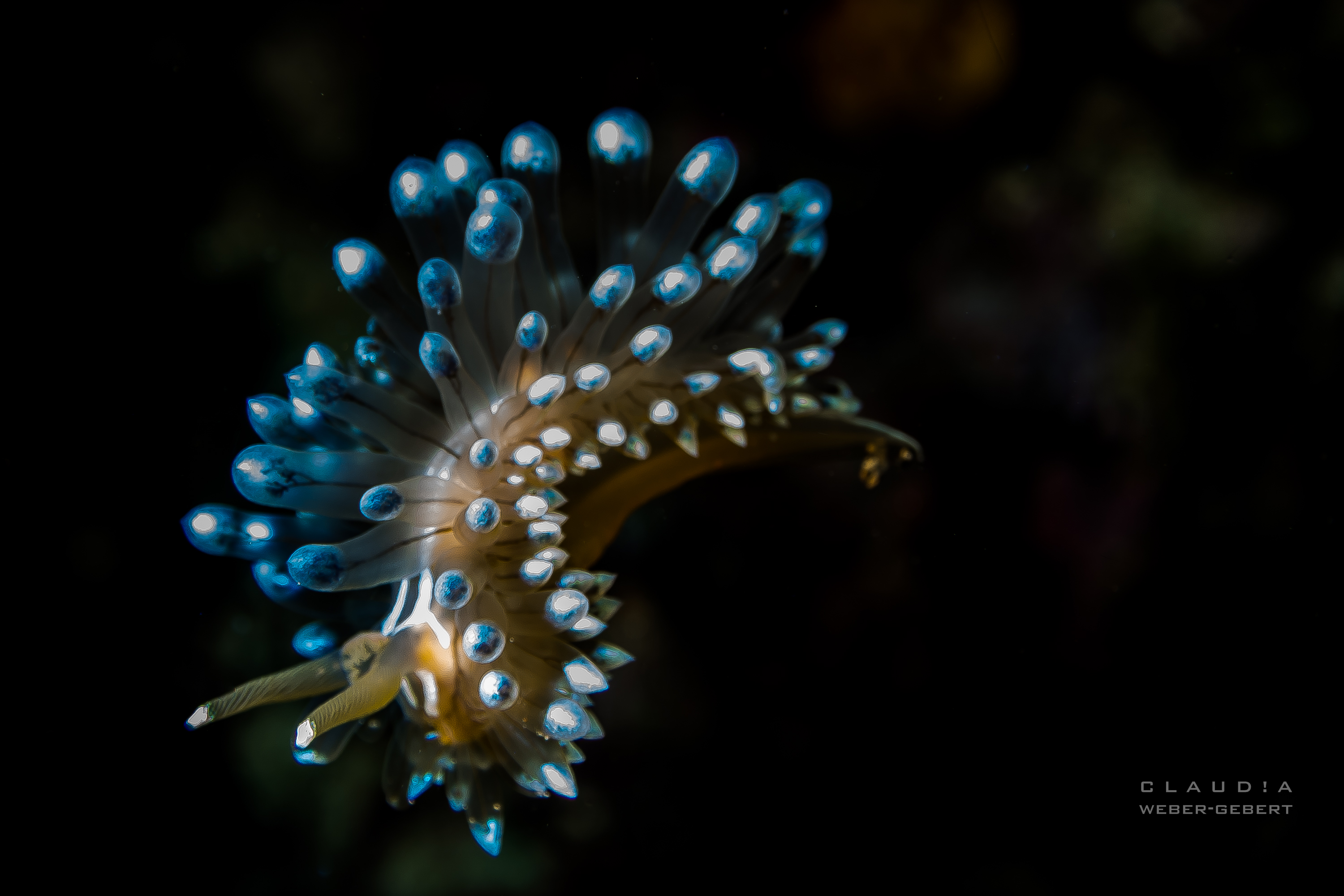
This is Claudia, as she describes herself in her interview
Claudia was born 1965 in Trier, Germany then Highschool and studies of Interior Design. Then she start to work as interior design for private, business clients and in cooperation with architectural offices as freelance – always making the impossible become real and finding individual solutions for every client. But let go back to photography. She was 10 years old, when she got her first camera and start to develop he and, when she started diving, it was a matter of course to have an uw-camera. She said that her first pics where not what she was expecting and she thought was because her inability. One day, water leaked into the housing and her “semi-professional” camera was destroyed. ” I was sad – but in fact it was the best day in my career as uw-photographer. With my new compact camera suddenly the photos where “not professional” but good – a possibility to improvement – hurray. As an Interior Designer with my hobbies diving and photography, in 2010 it really became my passion.
As underwater-photographers we are all responsible for the preservations of the oceans. We can show to the whole world, how wonderful marine life is and that it is worth to safe it! So take action. We all are ambassadors of the oceans. So, I decided to launch my own campaign “SOS – Save our seas” by post-producted creative underwater pics, trying tostimulate and encourage other people. When I found an article about Healthy Seas mission in internet, I was surprised about what we can do recycling trash. Healthy Seas was founded in 2013 and since then has already brought more than 50,000 kilos of fishing nets from the sea. In addition to our very active Dutch team of experienced divers, last year it was launched a new team of eager divers from Belgium. At the Belgian and Dutch coast, we (Healthy Seas) have store rooms for the networks, and since last year fishermen from Den Oever and Stellendam have been brought their old fishing nets for recycling with us. Together with international partners we are fully engaged to achieve same results in other European countries. Fishing nets often get caught in large amounts of shipwrecks. In the North Sea there are hundreds of these wrecks . For many marine animals are optimal hiding places , but some are now shrouded in such fishing nets that marine life has become almost impossible there. Wrecks turned into cemeteries with rotting cod and dozens of crabs, that thought of being able to make this easy prey but got stuck and died in a slow death.
Our goal
It is estimated that lost fishing nets, located in the North Sea, could fill an ocean supertanker. Therefore, our goal is to remove as many of these ghost nets. After that, we may be able to recycle them and make new nylon yarns. That means we can transform theoretically deadly garbage in raw material to be used for for new products. Exciting isn’it? From recycled fishing nets we produce our Healthy Seas socks (200000 pairs)!
Who are we?
Healthy Seas is composed by an international team, whose cooperation has as object to achieve a healthy ( North ) Sea and at the same time build a circular economy. This is done in three steps : collection of fishing nets , recycling networks in high-quality nylon yarn and finally the production of new products , such as rugs, beachwear and our famous Healthy Seas socks .
What we do with the money?
In the North Sea, We want this summer visit as many shipwrecks as possible to liberate them from the abandoned fishing nets . Our Funding threshold allows us to pick up about 10 tons of lost fishing nets out of the sea which will save thousands of animals from drowning . With this amount of nets converted, we can produce about 200,000 pairs of socks. We want to have them on shelves in the Netherlands after next Summer. A portion of the proceeds of the socks is the Healthy Seas Fund fed by which we fund our dives next year.”
I reported entirely this message by Claudia because is very important and I ask her to make a German translation to be sure that her message will not be lost for Not English speakers (however google translation in other 40 languages is always available). Please read it and enjoy her photographs.
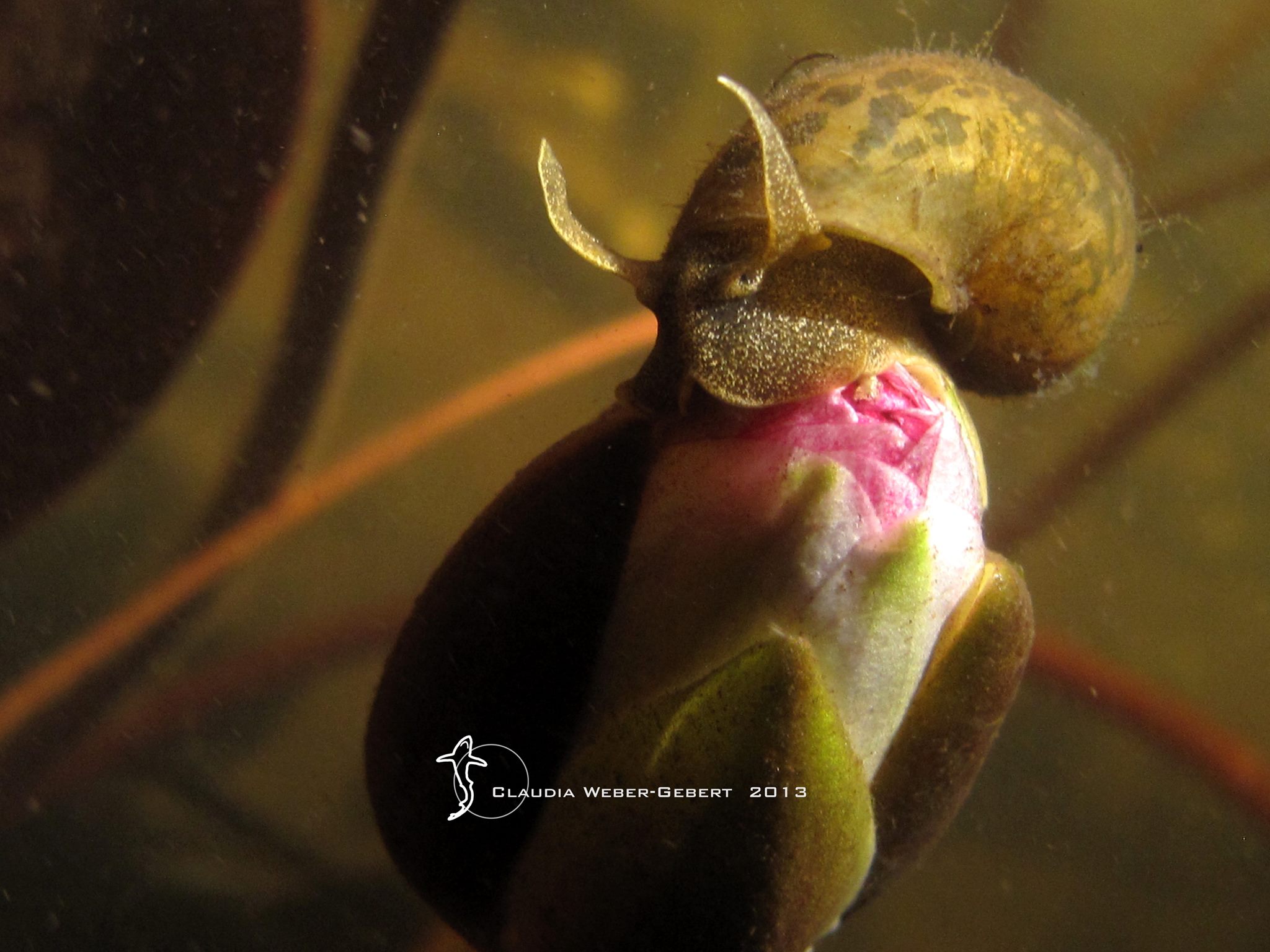
German version
Claudia Weber-Gebert
Das bin ich – geboren 1965 in Trier, Deutschland – Abitur + Innenarchitektur Studium mit Diplom. Seit meinem Abschluss als Diplom Desiger 1990 habe ich mein eigenes Büro und arbeite als freier Mitarbeiter für verschiedene Planungsbüros. Für meine Kunden suche ich individuelle Lösungen und mache das Unmögliche möglich. Ich war 10 Jahre alt, als ich meiner erste Kamera bekam und als ich tauchen lernte, war es selbstverständlich, auch eine Unterwasserkamera zu haben. Die Fotos waren nicht das, was ich erwartet hatte. Damals dachte ich, es läge an meinem Unvermögen. Als dann Wasser in das Gehäuse dieser “semiprofessionellen” Kamera eingedrungen ist und die Kamera zerstörte, war ich zuerst traurig. – doch dann stellte sich heraus, dass der beste Tag in meiner „Karriere“ als Unterwasserfotografin war. Mit meiner neuen kleinen Kompaktkamera waren die Fotos zwar nicht professionell, aber erheblich besser – hurra – es gab Hoffnung auf Verbesserung. Als Interior Designer mit den Hobbits Tauchen und Fotografie wurde die Unterwasserfotografie 2010 meine Passion. Als Unterwasserfotografen sind wir verantwortlich für den Erhalt unserer Ozeane. Wir können allen Menschen zeigen, wie wundervoll die Unterwasserwelt ist und dass sie schützenswert ist ! Also, handeln ist angesagt. Wir sind die Botschafter der Meere. Ich habe mich entschlossen, meine eigene Kampagne zu starten „SOS Save Our Seas“ – kreativ bearbeitetet Unterwasserfotos, auch um andere Menschen aufzurufen. Als ich diesen Artikel im Internet gefunden habe, war ich erstaunt, was man alles aus Müll herstellen kann:
„Healthy Seas“ wurde im Jahr 2013 gegründet und hat seitdem bereits mehr als 50.000 Kilo Fischernetze aus dem Meer geborgen. Zusätzlich zu unserem sehr aktiven niederländischen Team von erfahrenen Tauchern,startete im vergangenen Jahr ein belgisches Team von begeisterten Tauchern. An der belgischen und niederländischen Küste haben wir Lagerräume für die Netze, und seit letztem Jahr bringen auch die Fischer von Den Oever und Stellendam ihre alten Netze zu uns zum Recycling. Gemeinsam mit internationalen Partnern sind wir entschlossen, das gleiche in anderen europäischen Ländern zu erreichen. Fischernetze enden oftmals in großen Mengen an Wracks . In der Nordsee gibt es Hunderte von diesen Wracks. Für viele Meerestiere sind diese optimale Verstecke, aber einige sind jetzt derart in solche Fischernetze gehüllt, dass ein Leben im Meer fast unmöglich geworden ist. Die Wracks wurden zu Friedhöfen mit verrottendem Kabeljau und dutzende von Krabben, die sich eine leichte Beute erhofften und aber dann einen langsamen Tod starben.
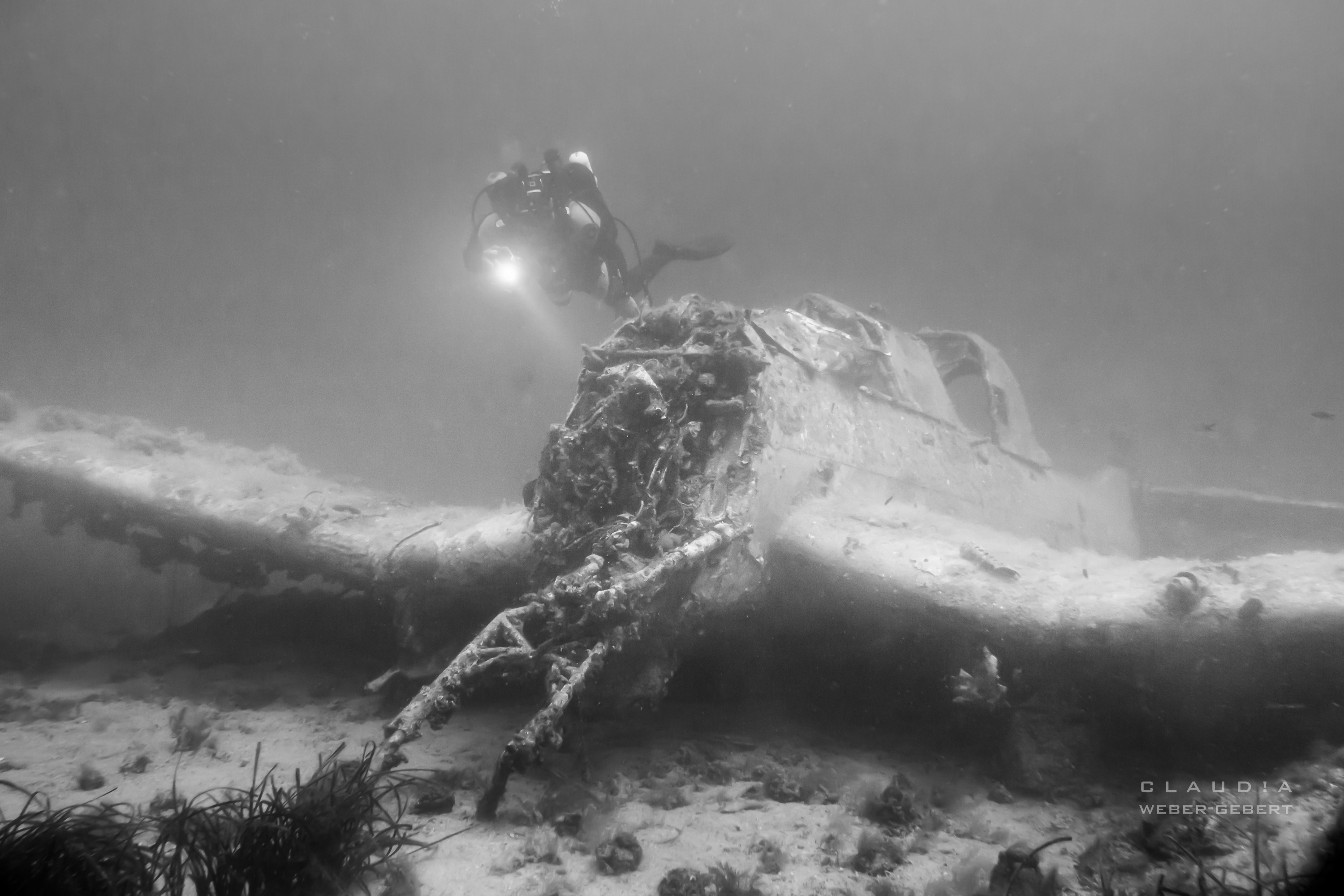
Unser Ziel
In der Nordsee befinden sich schätzungsweise so viele verloren Fischernetze, dass wir eine Supertanker füllen könnten. Daher ist es unser Ziel, möglichst viele dieser Geisternetze zu entfernen. Danach können wir die Netze recyceln und neue Nylongarne daraus machen. Wir möchten zeigen , dass man Abfall als Rohstoff für neue Produkte ansehen kann. Aus den recycelten Fischernetze produzieren wir Socken!
Wer sind wir?
„Healthy Seas“ besteht aus einem internationalen Team , das sich mit ihrer Zusammenarbeit zur Aufgabe gemacht hat, ein gesundes (Nord-) Meer zu haben und zugleich eine Kreislaufwirtschaft aufzubauen.Dies wird in drei Schritten durchgeführt : die Sammlung von Fischernetzen , Recycling zu hochwertigem Nylonfaden und schließlich die Herstellung von neuen Produkten, wie Teppiche, Bademode und unsere berühmten „Healthy Seas“Socken.
Was wir tun mit dem Geld?
In der Nordsee wollen wir in diesem Sommer wieder so viele Wracks wie möglich von den Netzen befreien. Unsere Finanzierung ermöglicht es uns, etwa 10 Tonnen an verloren Fischernetzen aus dem Meer zu holen und damit Tausende von Tieren vor dem Ertrinken retten. Mit diesem Berg an recycelten Netzen können wir etwa 200.000 Paar Socken herstellen. Und diese wollen wir nach diesem Sommer in den Regalen in de Niederlanden haben. Mit einem Teil der Erlöse wird der „Healthy Seas“ Fonds gespeist, womit wir unsere Tauchgänge im nächsten Jahr finanzieren können.
Danke Claudia
in anteprima @ photo credit Claudia Weber-Gebert
PAGINA PRINCIPALE

- autore
- ultimi articoli
è composta da oltre 60 collaboratori che lavorano in smart working, selezionati tra esperti di settore di diverse discipline. Hanno il compito di selezionare argomenti di particolare interesse, redigendo articoli basati su studi recenti. I contenuti degli stessi restano di responsabilità degli autori che sono ovviamente sempre citati. Eventuali quesiti possono essere inviati alla Redazione (infoocean4future@gmail.com) che, quando possibile, provvederà ad inoltrarli agli Autori.